

Pterygium Surgery
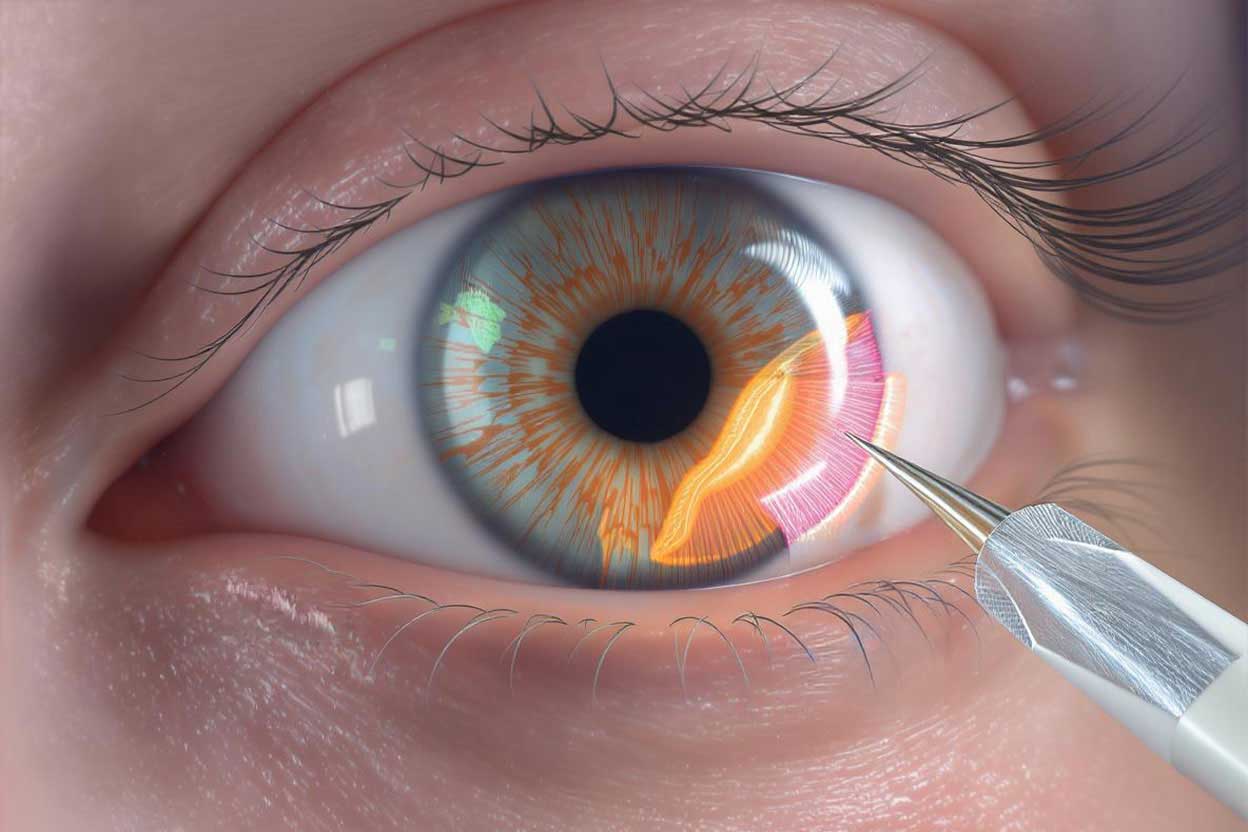
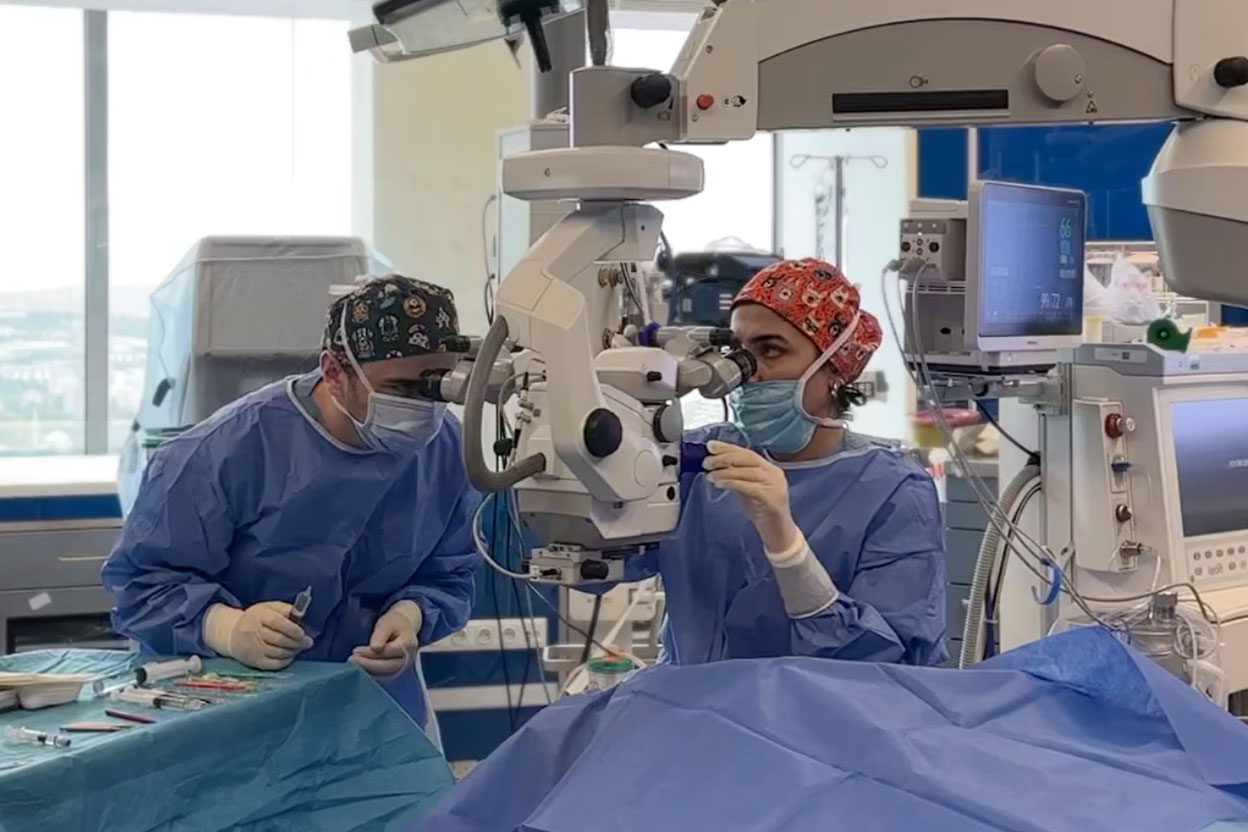
Pterygium surgery is the surgical removal of a triangular growth of blood vessels and tissue that extends from the white part of the eye (conjunctiva) onto the cornea. Pterygium is more common in people who are frequently exposed to environmental factors such as sunlight, wind, dust, and dry air. Over time, this tissue can impair vision, cause aesthetic problems, or lead to complaints such as eye irritation and redness. During surgery, the pterygium tissue is removed and, to reduce the risk of recurrence, the area is usually covered with healthy conjunctival tissue taken from another part of the eye (graft method). The procedure is usually performed under local anesthesia, and patients are discharged the same day.
Who is it suitable for?
Pterygium surgery is suitable for patients experiencing the following conditions:
• Pterygia that affect the visual axis or threaten vision by approaching the cornea
• Those with persistent discomfort such as redness, stinging, burning, or foreign body sensation
• Individuals who find it aesthetically disturbing and are dissatisfied with its appearance
• Patients whose pterygium is growing rapidly and progressing
• Individuals who have had pterygium surgery before and have recurrent cases
• Individuals who are unable to use contact lenses or experience discomfort with lenses
Recovery Process
The recovery process after pterygium surgery is generally comfortable, and most patients can return to their daily lives shortly. After surgery, redness, stinging, mild pain, and watering of the eye may last for a few days. These symptoms gradually decrease and usually improve significantly within 1–2 weeks. Antibiotics and cortisone drops prescribed by the doctor are used for approximately 2–4 weeks.
If a conjunctival graft was used during surgery, it may take several weeks for the graft to fully adapt to the eye and for the tissue to heal. Although the full healing process varies from person to person, in most patients, the eye returns to normal within 1 month. The eye should not be rubbed, hygiene should be maintained to prevent the risk of infection, and doctor’s appointments should not be missed. It is also recommended to wear sunglasses for a period of time to protect the eyes from the sun.