

Contact Lenses
What are they? Who are they suitable for?
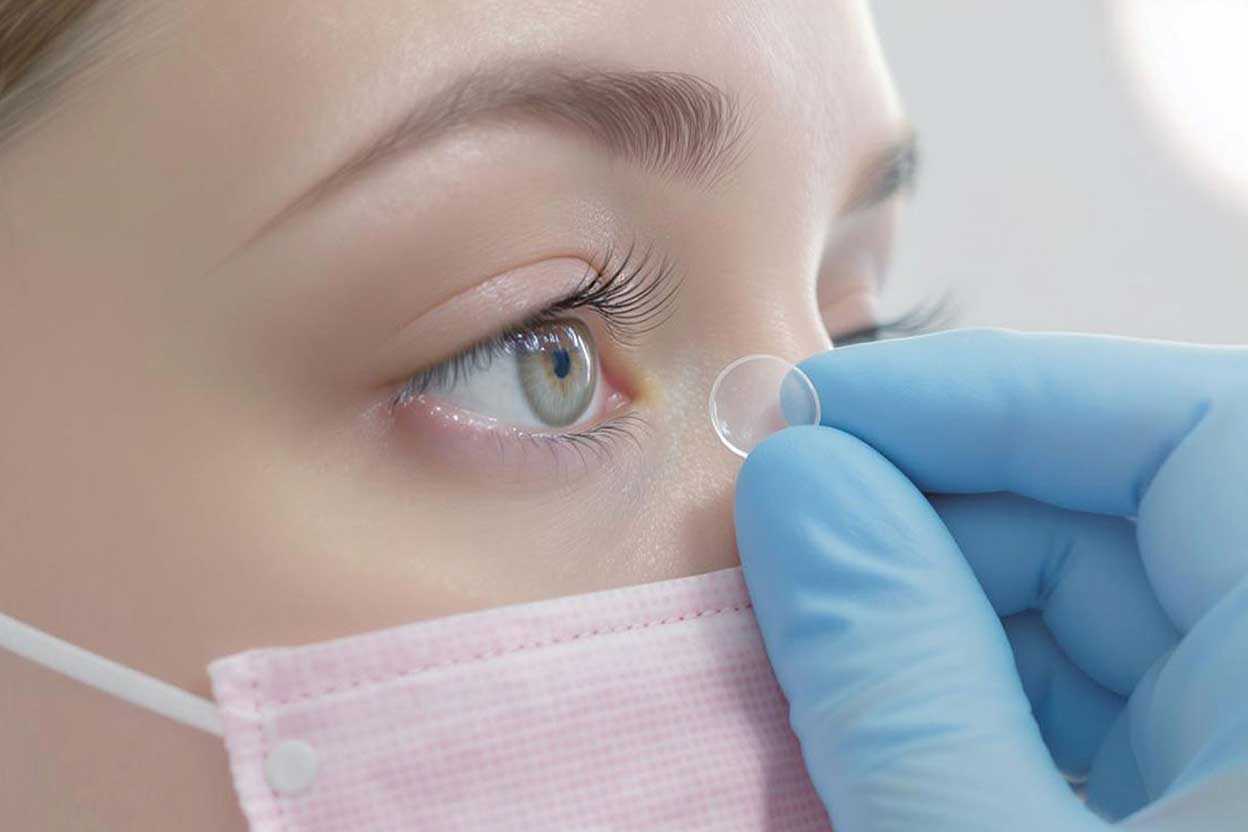
Contact lenses are thin, transparent lenses, usually made of soft or hard materials, that are placed directly on the cornea of the eye to correct vision problems. Used as an alternative to glasses, contact lenses are effective in correcting refractive errors such as myopia, hyperopia, astigmatism, and presbyopia. They may also be chosen for aesthetic or cosmetic purposes to change eye color. Available in different types based on daily, weekly, or monthly usage periods, contact lenses should be used only after a proper eye examination and with a doctor’s recommendation, and must be inserted while adhering to hygiene rules.
Types of Contact Lenses
Contact lenses are divided into various types according to different needs and usage patterns.
• Soft Contact Lenses: The most commonly used type of lens. They are made of flexible material with high water content and are comfortable. They have daily, weekly, and monthly replacement periods.
• Rigid Gas Permeable (RGP) Lenses: Made from a harder, more durable material. They improve vision quality and are preferred especially for conditions such as astigmatism and keratoconus. The adjustment period is longer than for soft lenses.
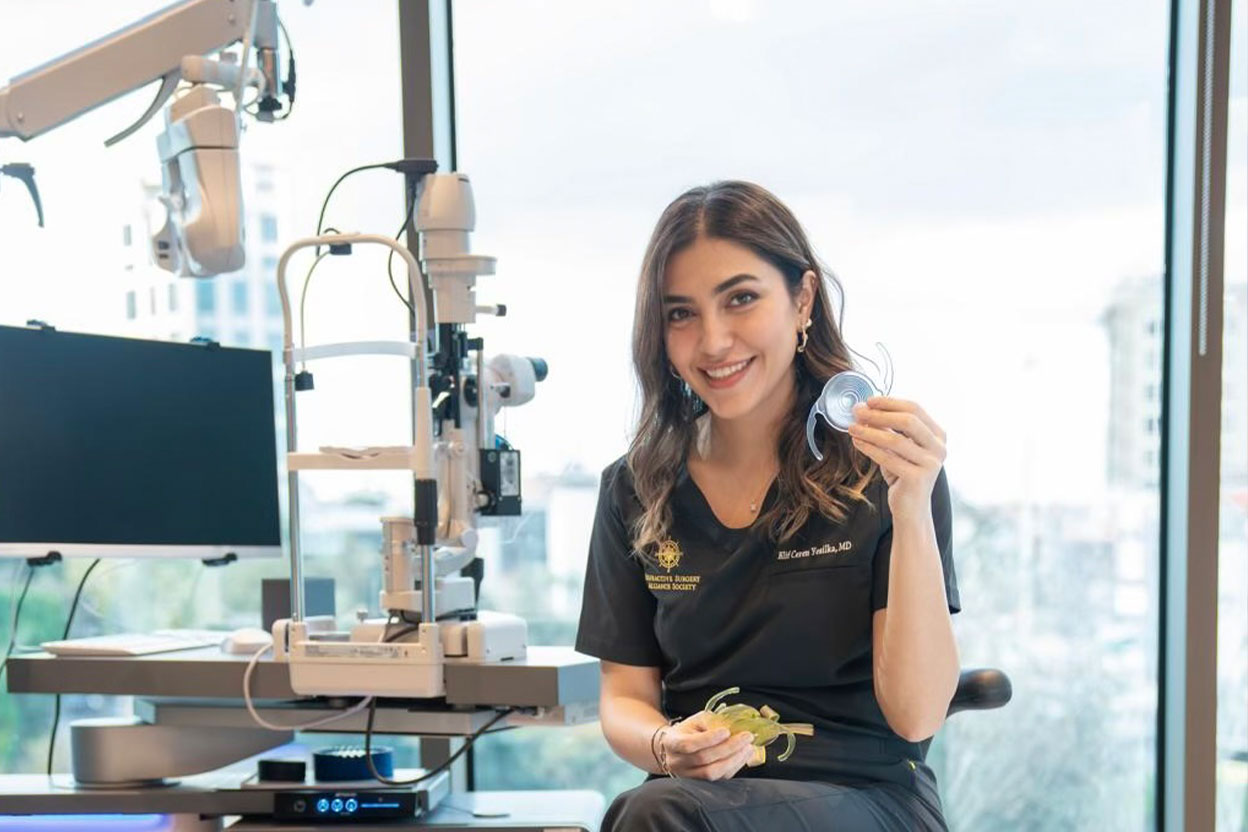
• Hybrid Contact Lenses: These lenses have a hard center and a soft edge. They combine the clear vision of RGP lenses with the comfort of soft lenses.
• Colored or Cosmetic Lenses: These lenses correct vision or are used purely for aesthetic purposes, changing the color of the eyes.
• Designed (Multifocal) Lenses: Designed to correct both near and far vision. Suitable for people with presbyopia.
• Daily Disposable Lenses: A new pair of lenses is used every day, offering advantages in terms of hygiene.
• Extended Wear (Monthly, 3-Month) Lenses
Who Are They Suitable For?
Contact lenses are suitable for people who want to correct vision problems but do not want to wear glasses or find them unsuitable. They are particularly preferred by individuals with active lifestyles, those who play sports, or those with aesthetic concerns. Anyone with refractive errors such as myopia, hyperopia, astigmatism, and presbyopia may be a suitable candidate for lenses; however, their use may be limited in individuals with problems such as infection, excessive dryness, or allergic reactions on the eye surface. A comprehensive eye examination by an ophthalmologist is essential before using contact lenses, and the appropriate lens type must be determined for each individual. It is an ideal option for patients who can adhere to hygiene rules and attend regular follow-up appointments.