

Tear Duct Blockage
What is Tear Duct Blockage? How Does It Occur? Treatment Methods and Recovery Process
Tear duct obstruction is a condition in which one or more of the channels (nasolacrimal ducts) that allow tears to flow from the eye to the nose become blocked. This obstruction prevents the normal drainage of tears, leading to complaints such as excessive watering of the eye, constant tearing, burning, and sometimes crusty discharge due to infection. The blockage may be congenital or may develop later due to infection, inflammation, trauma, tumor, or age-related tissue changes. If left untreated, it can cause chronic eye infections and problems such as conjunctivitis.
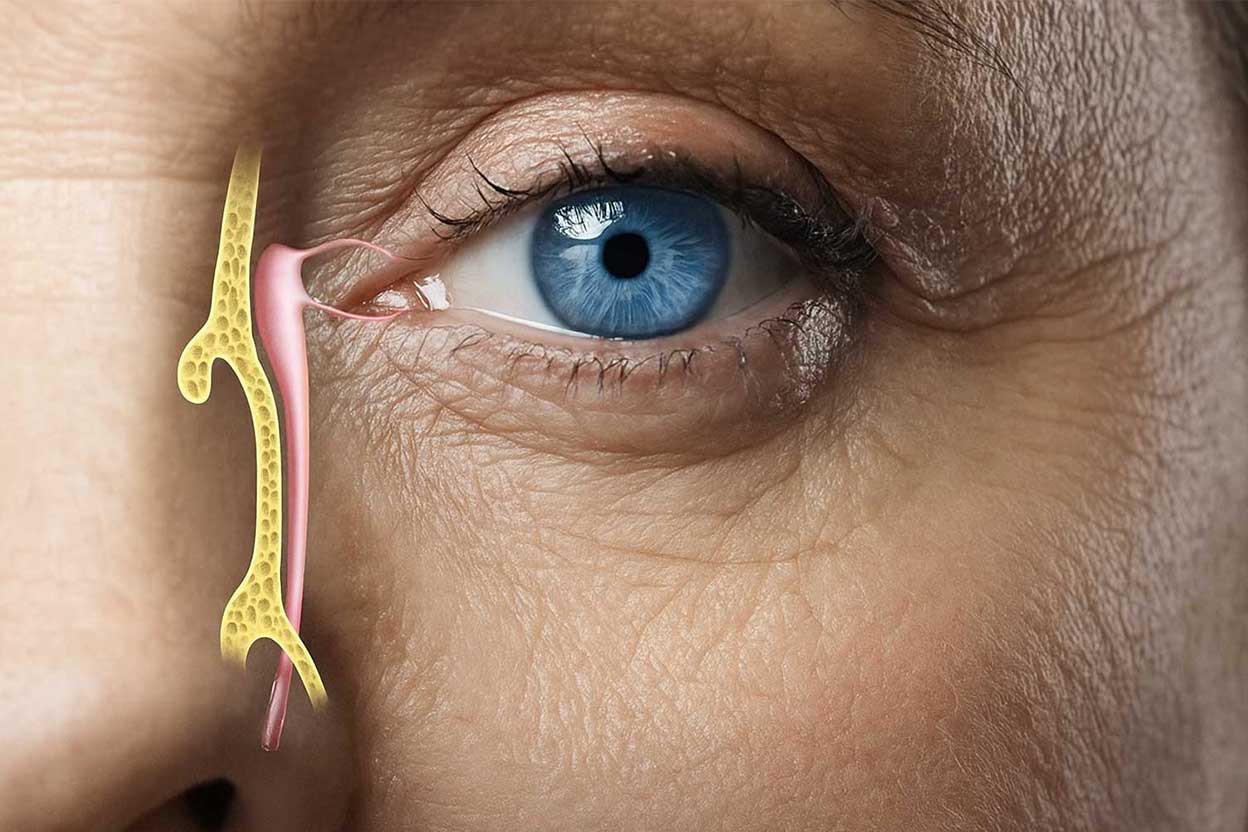

Symptoms
• Constant and excessive tearing (epiphora)
• Redness and irritation at the edge of the eye or at the base of the eyelashes
• Swelling of the eyelids or around the eyes
• Frequent crusting and sticky discharge in the eye
• Burning, stinging, or discomfort in the eye
• Rarely, pain and inflammation around the eye (dacryocystitis)
• Increased symptoms, especially in cold or windy weather
These symptoms may vary depending on the degree and cause of the blockage.
Treatment Method
Treatment methods for tear duct obstruction vary depending on the location and severity of the obstruction and the patient’s condition. Conservative methods are generally used in the initial stage; these include warm compresses, gentle massage of the tear ducts (dacryocystorhinostomy massage), and antibiotics if there is an infection. If the blockage persists or becomes chronic, surgical interventions are considered. The most common surgical method is dacryocystorhinostomy (DCR) surgery; in this operation, the blocked duct is bypassed to allow tears to flow directly into the nose. In some cases, a temporary or permanent silicone stent is placed inside the duct. For milder blockages, balloon dilation of the tear duct or probe applications to open the duct may also be performed. Treatment should be planned by a specialist doctor to restore normal tear flow and reduce the risk of infection.
Recovery Process
The recovery process for tear duct obstruction treatment varies depending on the treatment method used. With conservative methods (warm compresses, massage), symptoms usually improve within a few weeks. The recovery process after surgical interventions is slightly longer and requires more attention. Especially after dacryocystorhinostomy (DCR) surgery, mild swelling, bruising, and discomfort may occur for the first few days; these gradually subside over time. It is important to pay attention to nasal and eye hygiene after surgery and to use the medications prescribed by the doctor regularly. Stitches are usually removed within a week, and recovery is monitored through post-operative follow-up appointments. Full recovery and restoration of normal tear duct function typically takes 1-4 weeks. During this period, patients should avoid strenuous exercise, pay attention to nasal hygiene, and follow the doctor’s recommendations to reduce the risk of infection.