

What is it? How does it develop? Treatment Methods and Recovery Process
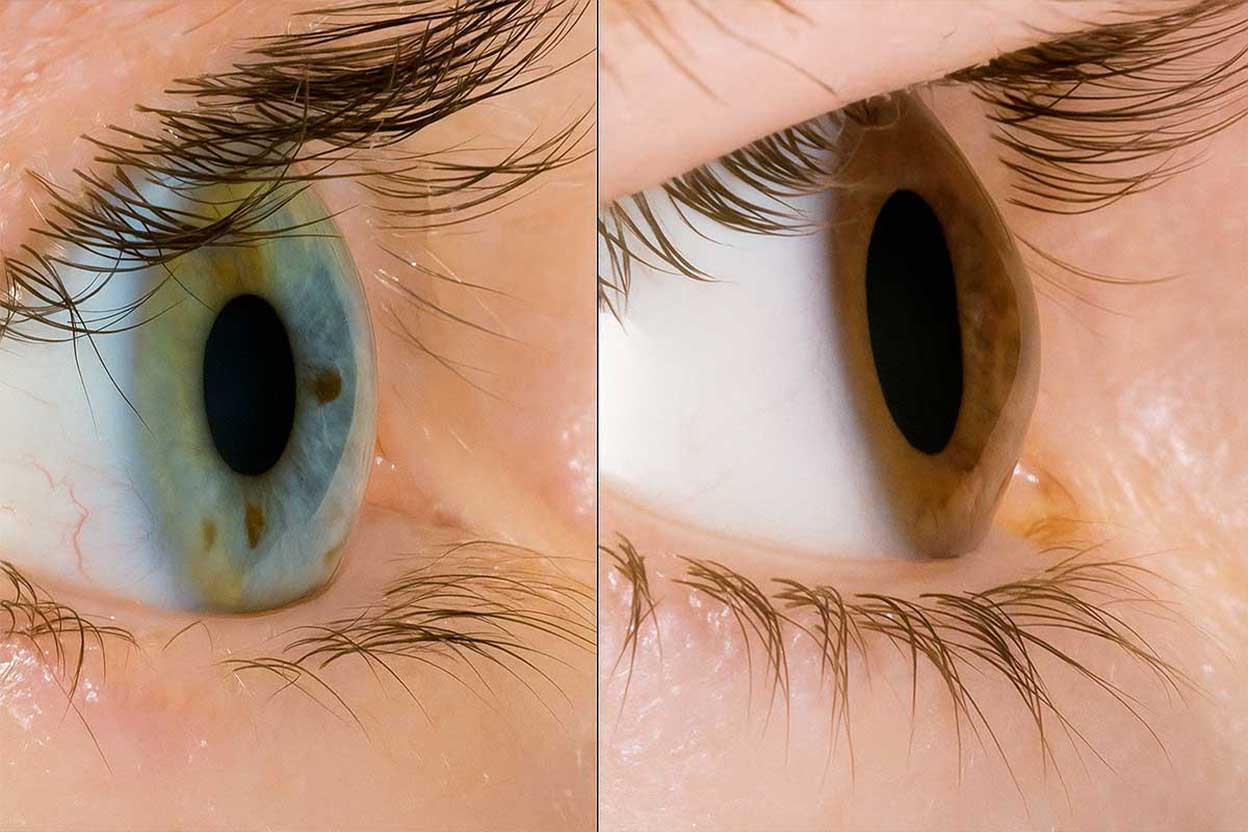
Keratoconus is a progressive eye disease that occurs when the cornea, the outermost transparent layer of the eye, thins and protrudes forward in a cone shape.
Normally round and dome-shaped, the cornea weakens and thins in keratoconus, bulging outward. This distortion prevents light from focusing properly on the retina. As a result, blurred, distorted, shadowed, and distorted vision problems may occur.
Symptoms
• Blurred and wavy vision
• Inability to achieve complete clarity with glasses
• Light sensitivity, night vision problems
• Frequent changes in prescription
• Habit of rubbing the eyes
These symptoms may begin during adolescence and worsen over time.
Treatment Method
The goal of keratoconus treatment is to stop the progression of the disease and improve vision.
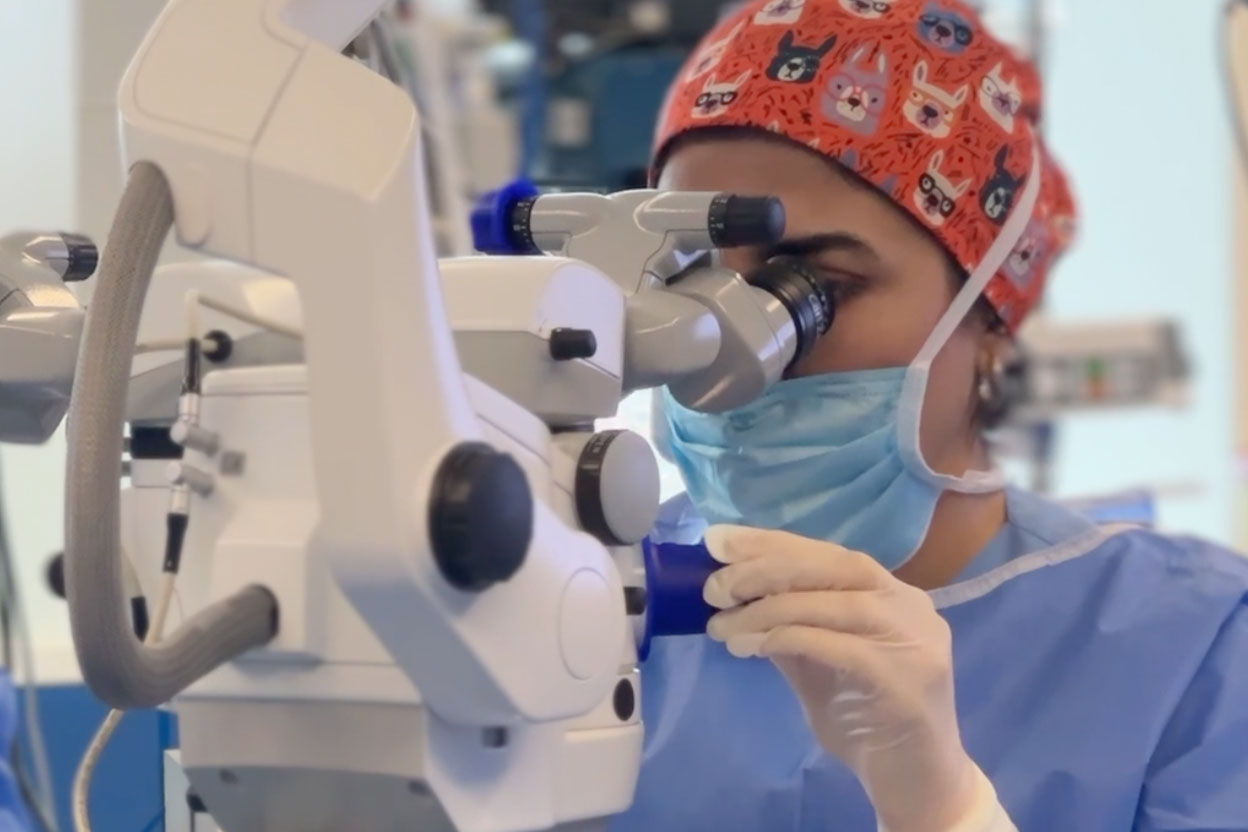
In the early stages, glasses or rigid gas permeable contact lenses are generally used. Corneal cross-linking, the most effective method for stopping the progression of the disease, is performed; this method prevents the cone from becoming more pronounced by strengthening the corneal fibers. In the intermediate stage, rings (Intacs) are placed inside the cornea to try to correct its shape. If there is high myopia or astigmatism, phakic intraocular lenses (ICL) may be preferred. In advanced stages, a corneal transplant (keratoplasty) may be necessary. The treatment method is determined according to the patient’s condition, and usually, more than one method can be used together.
Recovery Process
The keratoconus recovery process varies depending on the treatment method used.
After corneal cross-linking, mild pain, stinging, and blurred vision may last for a few days, but disease progression usually stops within 4-8 weeks and vision gradually improves over time. With intracorneal ring implants, vision begins to improve within a few weeks and full recovery can take 1-3 months. Patients who use hard or scleral contact lenses need a few days to get used to the lenses. The recovery process after corneal transplantation in advanced cases is longer; removal of stitches and full vision recovery can take months or even years. In all cases, regular doctor check-ups and adherence to treatment are very important for recovery.