

What is a Corneal Transplant Surgery? Who is it Suitable For? Recovery Process
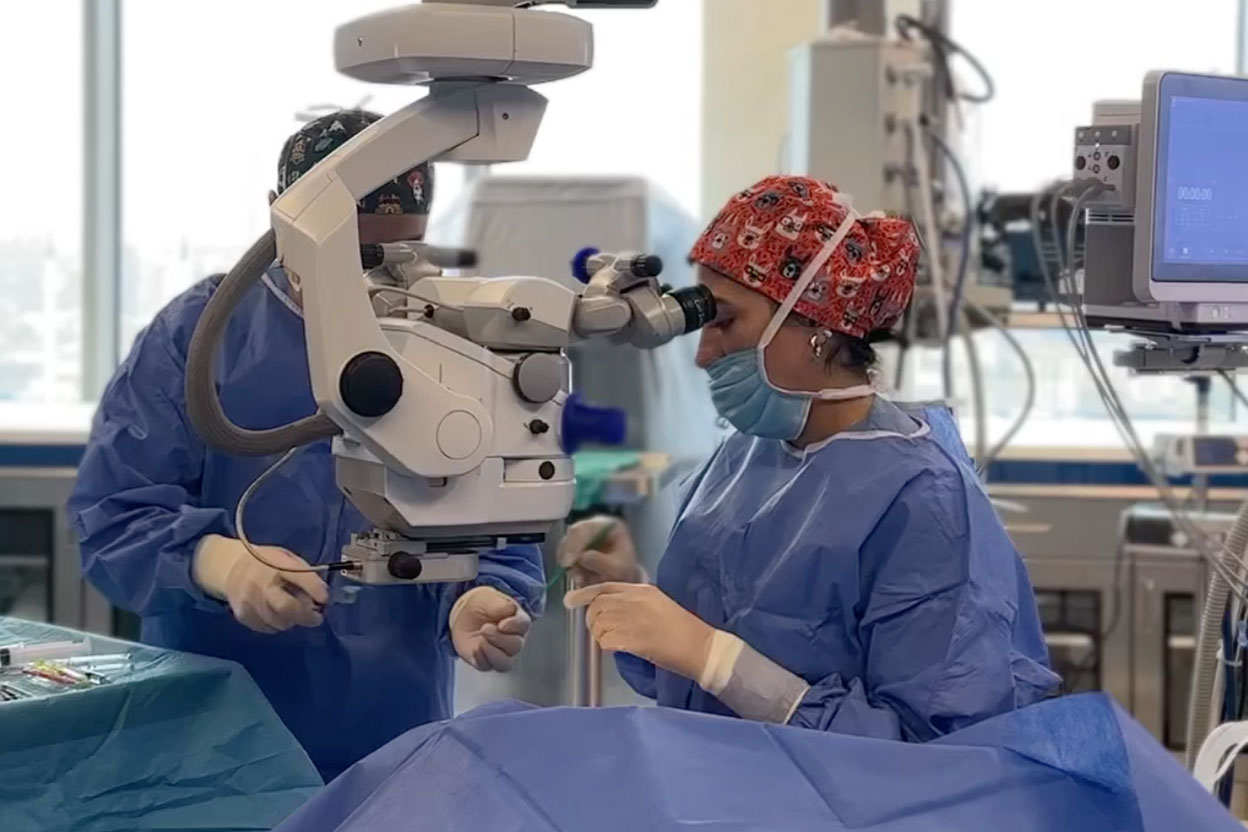
Corneal transplant surgery (keratoplasty) is the surgical removal of a damaged or diseased cornea and its replacement with a healthy donor cornea. The cornea is the transparent layer at the front of the eye and is therefore very important for clear vision. In cases of severe cloudiness, injury, infection, or keratoconus of the cornea, vision can be seriously impaired, and this surgery may be necessary. The transplant can be performed as a full-thickness (penetrating keratoplasty) or by replacing only the front layers (deep anterior lamellar keratoplasty – DALK). The postoperative recovery process can be lengthy, and regular follow-up is required to monitor the risks of infection and rejection.

Who is it suitable for?
Corneal transplant surgery is suitable for patients experiencing the following conditions and for whom adequate vision cannot be achieved with other treatment methods:
• Those whose cornea has become very thin or severely distorted due to advanced keratoconus
• Those with severe tissue damage resulting from corneal injuries
• Those with permanent corneal damage due to deep corneal infections or ulcers
• Those who have lost corneal transparency due to genetic or degenerative diseases such as corneal dystrophies
• Patients whose vision quality has significantly decreased due to corneal scarring or other causes
• Individuals whose vision has not improved despite previous treatments and whose quality of daily life has been negatively affected
Recovery Process
The recovery process after corneal transplantation is longer and requires more attention than other eye surgeries. In the first few days after surgery, the eye may experience pain, stinging, redness, and blurred vision. Patients can usually return to their daily activities within a few weeks; however, it may take months or even a year to regain full visual acuity. If sutures were used, they are usually removed between 6 months and 1 year. During this process, eye drops (antibiotics and cortisone) should be used regularly, and the patient should be carefully monitored for infection and tissue rejection. The eye should not be rubbed, should be protected from trauma, and doctor’s appointments should not be missed. Glasses or contact lenses may be required once vision has stabilized. bulabilir. Eğer dikişli yöntem uygulanmışsa, dikişler genellikle 6 ay – 1 yıl arasında alınır. Bu süreçte göz damlaları (antibiyotik ve kortizon) düzenli olarak kullanılmalı, enfeksiyon ve doku reddi açısından hasta dikkatle izlenmelidir. Göz ovalanmamalı, travmadan korunmalı ve doktor kontrolleri aksatılmamalıdır. Görmede istikrar sağlandıktan sonra gözlük veya lens gerekebilir.